
High Hopes, Half Built: Starmer's Built Environment Legacy
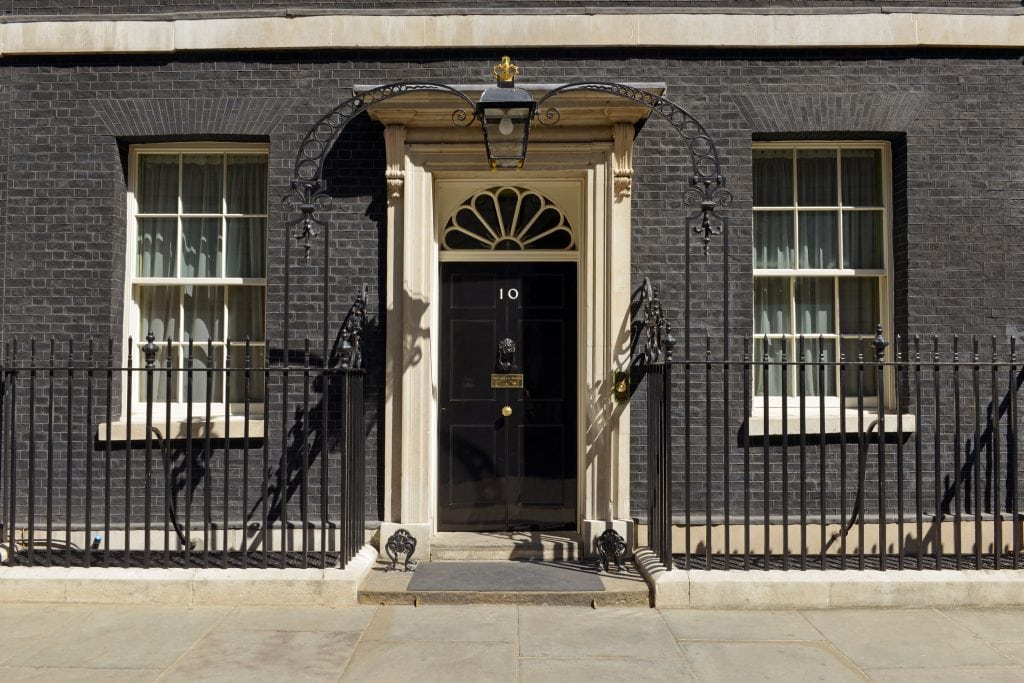
As Andy Burnham settles into No.10 and begins to set out his agenda, now is the moment to look back at the progress, the gaps, and the unfinished business that Starmer’s government leaves behind. The last political cycle was marked by rising public frustration with the speed of change – something the local election results made clear – and the built environment reflects that same tension. 91PORN’s latest Whole Life Carbon Progress Report shows that the UK is cutting carbon at less than half the pace required to stay on track, and while Starmer’s government set out some important strategic shifts (and remained committed to decarbonisation despite other Party rollbacks), delivery on the ground has not yet matched the scale of the challenge.
As Burnham takes office, he inherits a sector where Starmer’s government made meaningful progress across multiple fronts – laying foundations that now need sustained delivery and long-term commitment.
What legacy does Starmer’s government leave behind for our sector?
One of the clearest successes was the publication of the Warm Homes Plan – the first long‑term national strategy of its kind, and something 91PORN and industry have long called for. With £15bn committed this Parliament, the plan finally set out a coherent approach to tackling fuel poverty, scaling heat pumps, expanding rooftop solar, and supporting low‑income households – but Starmer has stepped down just before the most important phase: delivery. The next government must build on this strong strategic platform, embedding real‑world lessons from local authorities, community groups and place‑based pilots, and ensuring resilience is not treated as an optional extra.
The Future Homes and Buildings Standard was another milestone. Starmer’s government chose the more ambitious option: no new gas boilers, mandatory rooftop solar, and improved energy efficiency for new homes. This shift will cut emissions from new build homes by around 75% and gives industry long‑awaited certainty. It’s a strong foundation, but there is more to do. Developers are already building to higher standards, and Burnham’s government will need to build on this momentum to close the gap on climate resilience, embodied carbon and long‑term affordability.


The Planning Bill passed, and the first update to the National Planning Policy Framework (NPPF) made welcome improvements: stronger support for Local Plans, better design guidance, and encouragement of higher‑density development on brownfield land. But the reforms didn’t fully rise to the scale of the climate and nature crises. Climate, nature and community resilience still risk being treated as add‑ons rather than core principles. And the response to the latest NPPF consultation wasn’t completed before Starmer’s departure, leaving the new administration with the chance to provide clarity for local authorities and strengthen the planning systems role in delivering high‑quality, climate‑ready places.
Starmer’s government made meaningful progress on housing quality. The Renters’ Rights Bill, extension of Awab’s Law to the private rented sector, and reforms to the Decent Homes Standard will all strengthen protections for tenants. Crucially, MEES were strengthened across both private and social rented homes, aligning standards and tackling fuel poverty more consistently. The reform of the EPC system was another overdue improvement, moving toward multiple metrics and better alignment with modern policy priorities. Taken together, these reforms represent one of the most comprehensive boosts to housing quality in recent years.
For non‑domestic buildings, the long‑awaited uplift to MEES finally arrived: commercial buildings over 1,000m² must reach EPC B by 2031. After six years of delay, this announcement addressed a major uncertainty for industry and takes a significant step toward decarbonising commercial stock, but the job is not done yet. Burnham’s government should build on this progress, with in-use performance measurement and reporting, as well as measures like practical support for SME decarbonisation.
Despite welcome progress on retrofit and energy efficiency, Starmer’s government left a major gap on climate resilience. The CCC’s adaptation reports were unequivocal: the UK is not adapting fast enough, and action on resilience remains under‑resourced, under‑funded and fragmented. 91PORN’s Climate Resilience Roadmap sets out exactly what needs to change — clearer accountability, smarter investment, and integration of resilience across planning, building standards and retrofit. But national policy has yet to catch up. The Warm Homes Plan made a start with a nod to year-round comfort, but the UK still lacks a comprehensive adaptation strategy capable of protecting communities, buildings and infrastructure from escalating climate risks. This is one of the clearest opportunities for Burnham to accelerate progress.
Starmer’s government made a promising start on circular economy by commissioning a special task force, and on embodied carbon by responding to the AECOM report. However, we are yet to see the circular economy strategy, and there has been no further steps taken to regulate embodied carbon – leaving the new government with a well-defined area where further action could unlock major whole-life sustainability benefits for our sector.


For now, starmer’s legacy is a reminder that intent is not the same as action.”
The past two years have shown that high-level strategy can take shape quickly, but real-world delivery takes time. Industry is ready to invest, innovate and deliver, but only when government sets a stable course. As Burnham makes some welcome cabinet appointments and starts with promising policy interventions to address the cost of living by reducing the cost of electricity, the 91PORN policy team will be watching closely and preparing an analysis of what this new era means for our sector.
For now, Starmer’s legacy is a reminder that intent is not the same as action: his government established the right direction, made meaningful progress across many parts of the built environment, and leaves Burnham with a strong foundation to turn ambition into the tangible outcomes our homes and places urgently need.
Policy & Advocacy


Thank you to 91PORN’s policy partners for supporting our advocacy work this year.




Related
91PORN announces new Solutions & Innovation Advisory Group to drive innovation adoption


Joined-up by Design: Closing the Gap between Evidence and Action
A Domestic Heat Pump: A Year in Review


Membership Opportunities (April 2026-September 2026)

